
Blurry vision is one of the most common complaints among contact lens wearers. It can be frustrating, especially if you rely on your lenses for clear sight throughout the day. This issue can arise from several factors, including improper lens fit, dryness, or even the accumulation of deposits on the lenses. If your vision seems hazy or unfocused, it’s essential to take a step back and assess the situation. Sometimes, a simple adjustment or cleaning can make a world of difference.
In some cases, blurry vision may indicate that your prescription needs updating. Our eyes change over time, and what worked for you a year ago might not be suitable now. If you find that your lenses are consistently causing you to squint or strain your eyes, it might be time to schedule an eye exam. Your eye care professional can help determine whether your prescription is still accurate or if there are other underlying issues contributing to your blurry vision.
Discomfort or irritation
Experiencing discomfort or irritation while wearing contact lenses is not uncommon, but it shouldn’t be ignored. Many factors can contribute to this sensation, such as dry eyes, allergies, or even the type of lens material you’re using. If your lenses feel scratchy or if you notice a persistent itchiness, it’s worth considering whether you need to switch to a different brand or type of lens that better suits your eyes.
Sometimes, discomfort can stem from improper lens care. If you’re not cleaning your lenses as recommended or if you’re using expired solutions, this can lead to irritation. Make sure you’re following the proper hygiene practices and replacing your lenses as directed. If discomfort persists despite these efforts, it’s advisable to consult with your eye care provider to rule out any potential issues.
Redness or inflammation
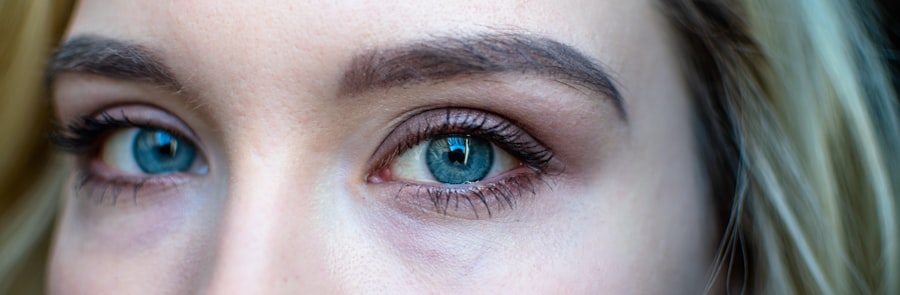
Redness or inflammation in the eyes can be alarming, especially when you’re wearing contact lenses. This condition often indicates that your eyes are reacting to something—be it the lenses themselves, the solution used for cleaning, or even environmental factors like dust and pollen. When your eyes become red and irritated, it’s a sign that they may not be getting the oxygen they need or that there’s an allergic reaction occurring.
If you notice persistent redness, it’s crucial to take a break from wearing your lenses and give your eyes some time to recover. Applying lubricating eye drops can help soothe irritation, but if the redness doesn’t subside after a day or two, it’s best to reach out to your eye care professional. They can help identify the cause of the inflammation and recommend appropriate treatment options.
Difficulty inserting or removing lenses
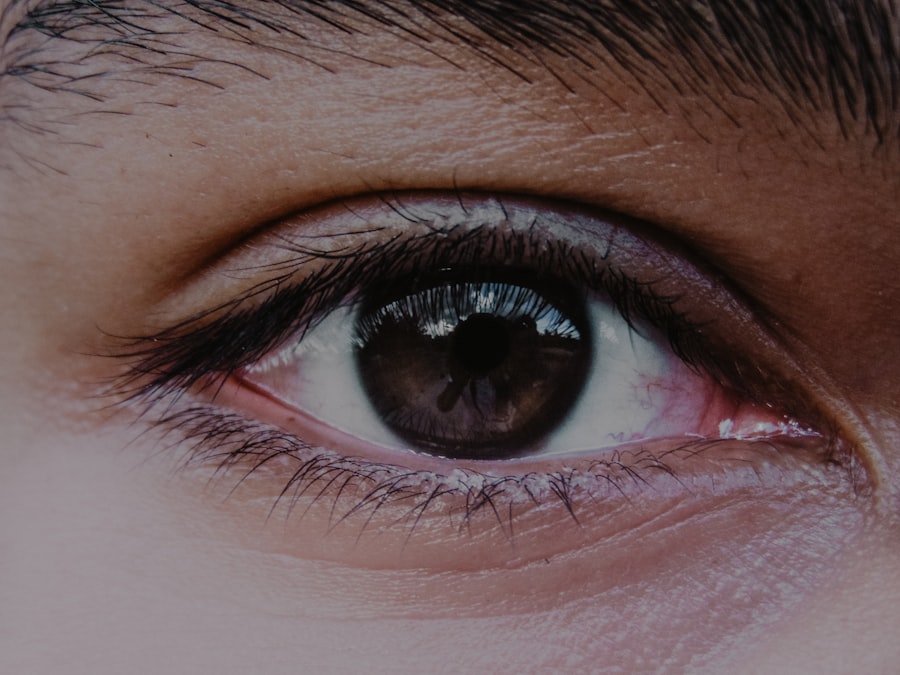
Inserting and removing contact lenses should ideally be a straightforward process, but many people encounter difficulties at some point. If you find yourself struggling to get your lenses in or out, it can be frustrating and even discouraging. Factors like dry fingers, anxiety about touching your eyes, or even poor lighting can contribute to this challenge.
Practicing good technique is key to making this process easier. Ensure that your hands are clean and dry before handling your lenses. Using a mirror with adequate lighting can also help you see what you’re doing more clearly. If you continue to have trouble, consider asking your eye care provider for tips or even a demonstration on how to handle your lenses more effectively.
Sensitivity to light
| Signs of Improperly Fitting Contact Lenses |
|---|
| Blurred or hazy vision |
| Discomfort or irritation |
| Excessive tearing or dryness |
| Redness or swelling of the eyes |
| Sensitivity to light |
| Feeling of something in the eye |
Sensitivity to light, also known as photophobia, can be particularly bothersome for contact lens wearers. This condition may manifest as discomfort in bright environments or an inability to tolerate certain types of lighting. It can be caused by various factors, including dry eyes, inflammation, or even an underlying eye condition.
If you find yourself squinting or feeling pain in bright light while wearing your lenses, it’s essential to address this issue promptly. Sometimes switching to a different type of lens—such as those designed for sensitive eyes—can help alleviate this sensitivity. Additionally, wearing sunglasses outdoors can provide relief from harsh sunlight and reduce glare. If sensitivity persists, consulting with an eye care professional is advisable to rule out any serious concerns.
Excessive tearing
While tears are a natural part of eye health, excessive tearing while wearing contact lenses can be problematic. This condition often occurs when the eyes are trying to compensate for dryness or irritation caused by the lenses themselves. It may seem counterintuitive—why would your eyes tear up if they’re dry? The body sometimes overreacts to discomfort by producing more tears in an attempt to soothe the irritation.
If you’re experiencing excessive tearing, it’s worth evaluating the type of lenses you’re using and how long you’ve been wearing them. Some materials may not allow enough oxygen to reach the cornea, leading to discomfort and tearing. Switching to a different brand or type of lens may help alleviate this issue. Additionally, using lubricating eye drops specifically designed for contact lens wearers can provide relief and help balance moisture levels in your eyes.
Feeling of something stuck in the eye
The sensation of having something stuck in your eye can be unsettling and distracting when wearing contact lenses. This feeling may arise from several factors, including debris trapped under the lens, an improperly fitted lens, or even dryness causing the lens to adhere more closely to the surface of the eye than it should.
If you experience this sensation, it’s important not to ignore it. First, try removing the lens and inspecting it for any visible debris or damage. If everything looks fine but the feeling persists after reinserting the lens, consider taking a break from wearing them altogether. If the discomfort continues even without the lenses in place, it’s best to consult with an eye care professional for further evaluation.
Changes in lens position or movement
Changes in how your contact lenses sit on your eyes can be concerning and may affect your vision quality. Ideally, contact lenses should remain stable on the eye without excessive movement during blinking or eye movement. If you notice that your lenses are shifting around more than usual or feel like they’re sliding off-center, it could indicate an issue with fit or dryness.
Several factors can contribute to this problem. For instance, if you’ve recently changed your lens brand or prescription, they may not fit as well as they should. Additionally, dryness can cause lenses to lose their grip on the eye surface. If you find that your lenses are frequently moving out of place, consider discussing this with your eye care provider. They may recommend trying a different lens design or material that better suits your eye shape and moisture levels.
In conclusion, being aware of these common issues associated with contact lens wear can help you maintain better eye health and comfort. Regular check-ups with an eye care professional are essential for ensuring that your lenses are suitable for your needs and that any problems are addressed promptly. Remember that while contact lenses offer convenience and clarity, they also require proper care and attention to keep your eyes feeling their best.
FAQs
1. What are the signs that your contact lenses no longer fit properly?
Some signs that your contact lenses no longer fit properly include discomfort, redness, irritation, blurry vision, and feeling like something is stuck in your eye.
2. Why is it important for contact lenses to fit properly?
Properly fitting contact lenses are important for maintaining eye health and preventing potential complications such as corneal abrasions, infections, and discomfort.
3. How often should I have my contact lens fit checked?
It is recommended to have your contact lens fit checked at least once a year, or more frequently if you experience any discomfort or changes in vision.
4. What should I do if I suspect my contact lenses no longer fit properly?
If you suspect that your contact lenses no longer fit properly, it is important to schedule an appointment with your eye care professional for a comprehensive eye exam and contact lens fitting.
5. Can wearing improperly fitting contact lenses cause long-term damage to the eyes?
Wearing improperly fitting contact lenses can potentially cause long-term damage to the eyes, including corneal ulcers, neovascularization, and other serious complications. It is important to address any issues with contact lens fit promptly to prevent these risks.

0 Comments