
Myopia, commonly known as nearsightedness, is a refractive error that affects how we see the world. When someone is myopic, they can clearly see objects that are close but struggle to focus on those that are farther away. This occurs because the eyeball is either too long or the cornea has too much curvature, causing light rays to focus in front of the retina instead of directly on it. Myopia is increasingly prevalent, especially among children and adolescents, and its onset can significantly impact daily activities, from reading to participating in sports.
The condition can develop gradually or can appear suddenly, often becoming noticeable during school years when children begin to read and engage in more visual tasks. While myopia can be corrected with glasses or contact lenses, understanding its underlying causes and implications is crucial for effective management. As the prevalence of myopia continues to rise globally, particularly in urban areas, it’s essential to explore the factors contributing to its development and the importance of early intervention.
Factors Contributing to Myopia in Children
Several factors contribute to the development of myopia in children, and they can be broadly categorized into genetic and environmental influences. Genetics plays a significant role; if one or both parents are myopic, their children are more likely to develop the condition. Studies have shown that children with myopic parents have a higher risk of becoming myopic themselves, suggesting a hereditary component that cannot be overlooked.
However, environmental factors are equally important. Increased screen time, whether from computers, tablets, or smartphones, has been linked to a rise in myopia cases. Children today spend more time indoors engaged in close-up activities than previous generations did. This shift in lifestyle has led to less exposure to natural light, which is believed to play a protective role against the development of myopia. Additionally, limited outdoor playtime has been associated with higher rates of myopia, indicating that a balanced lifestyle is crucial for eye health.
The Importance of Myopia Control in Children
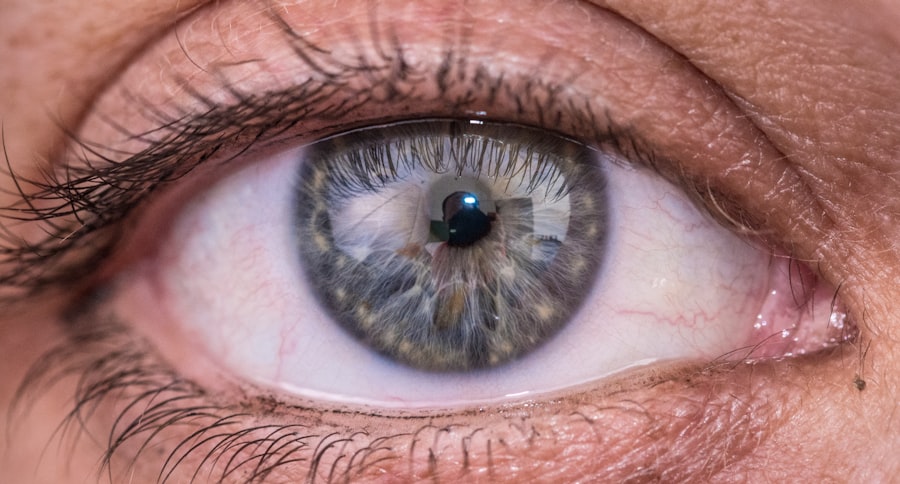
Controlling myopia in children is vital for several reasons. First and foremost, uncorrected myopia can lead to significant visual impairment and affect a child’s quality of life. Poor vision can hinder academic performance, limit participation in sports and recreational activities, and even impact social interactions. As myopia progresses, it can lead to more severe eye conditions later in life, such as retinal detachment, glaucoma, and cataracts.
Moreover, early intervention can help slow the progression of myopia. Research indicates that if myopia is detected and managed early, it may be possible to reduce its severity and prevent complications associated with high levels of myopia. This makes it essential for parents and caregivers to be proactive about their children’s eye health and seek regular eye examinations. By understanding the importance of myopia control, families can take steps to ensure their children maintain healthy vision as they grow.
Current Methods for Myopia Control

There are several methods currently available for controlling myopia in children. One of the most common approaches is the use of specially designed contact lenses or glasses that help slow down the progression of myopia. These lenses often have a multifocal design that allows for clear vision at various distances while reducing the strain on the eyes during close-up tasks.
Another effective method is orthokeratology (ortho-k), which involves wearing specially designed rigid gas-permeable contact lenses overnight. These lenses reshape the cornea while the child sleeps, allowing for clear vision during the day without the need for glasses or contacts. Research has shown that ortho-k can significantly slow down myopia progression in children.
Additionally, atropine eye drops have gained attention as a potential treatment for myopia control. Low-dose atropine has been found to be effective in slowing down the progression of myopia with minimal side effects. However, this method requires careful monitoring by an eye care professional to ensure safety and effectiveness.
The Role of Genetics in Myopia Development
| Study | Findings |
|---|---|
| COMET study | Wearing rigid gas permeable contact lenses slowed the progression of myopia by 43% compared to wearing spectacles. |
| Atropine treatment | Low-dose atropine eye drops have been shown to slow myopia progression by 50-60%. |
| Orthokeratology | Corneal reshaping with orthokeratology lenses has been found to slow myopia progression by 36-56%. |
Genetics plays a crucial role in the development of myopia, influencing both its onset and progression. Studies have identified specific genes associated with refractive errors, indicating that there is a hereditary component to this condition. Children with one myopic parent have a higher likelihood of developing myopia themselves, and this risk increases if both parents are affected.
However, while genetics sets the stage for myopia development, it does not act alone. Environmental factors can either exacerbate or mitigate genetic predispositions. For instance, children who inherit genes associated with myopia but engage in outdoor activities and limit screen time may have a lower risk of developing significant nearsightedness compared to those who do not. This interplay between genetics and environment highlights the importance of understanding both aspects when addressing myopia in children.
Lifestyle and Environmental Factors in Myopia Control
Lifestyle choices and environmental factors significantly influence the risk of developing myopia in children. One of the most critical factors is outdoor activity. Research consistently shows that increased time spent outdoors is associated with a reduced risk of developing myopia. Natural light exposure is believed to play a protective role by promoting healthy eye development and reducing the strain associated with prolonged near work.
In addition to outdoor time, managing screen time is essential. With the rise of digital devices, children are spending more time engaged in activities that require close-up focus. Limiting screen time and encouraging breaks during prolonged near work can help reduce eye strain and potentially slow down the progression of myopia. Parents can also promote good visual habits by encouraging their children to take regular breaks using the 20-20-20 rule: every 20 minutes spent looking at something close up should be followed by looking at something 20 feet away for at least 20 seconds.
The Future of Myopia Control Research
As the prevalence of myopia continues to rise globally, research into effective control methods is more critical than ever. Scientists are exploring various avenues to better understand the mechanisms behind myopia development and progression. This includes investigating new pharmacological treatments, advanced optical devices, and innovative behavioral interventions aimed at reducing risk factors.
One promising area of research involves genetic studies that aim to identify specific genes linked to myopia. Understanding these genetic markers could lead to targeted interventions tailored to individual risk profiles. Additionally, researchers are examining how lifestyle modifications can be integrated into daily routines to promote eye health effectively.
As technology advances, there may also be new tools developed for monitoring eye health and tracking changes in refractive error over time. These innovations could empower parents and healthcare providers to make informed decisions about myopia management based on real-time data.
Tips for Parents to Help Prevent Myopia in Children
Parents play a crucial role in preventing myopia in their children by fostering healthy habits from an early age. One effective strategy is encouraging outdoor playtime. Aim for at least two hours of outdoor activity each day; this exposure to natural light can significantly reduce the risk of developing myopia.
Additionally, managing screen time is essential. Set limits on recreational screen use and encourage breaks during homework or other close-up tasks. Implementing the 20-20-20 rule can help alleviate eye strain during prolonged periods of near work.
Regular eye examinations are also vital for early detection and management of any vision issues. Schedule comprehensive eye exams for your child at least once a year or as recommended by an eye care professional. Early intervention can make a significant difference in controlling myopia progression.
Lastly, foster an environment that promotes good visual habits. Encourage your child to maintain proper reading distances and posture while studying or using devices. By being proactive about your child’s eye health and promoting healthy lifestyle choices, you can help reduce their risk of developing myopia and ensure they enjoy clear vision throughout their lives.
FAQs
What is myopia?
Myopia, also known as nearsightedness, is a common refractive error where distant objects appear blurry while close objects can be seen clearly. It occurs when the eyeball is too long or the cornea is too curved, causing light to focus in front of the retina instead of directly on it.
How does myopia develop in children?
Myopia often develops during childhood and tends to progress as the child grows. Genetics, prolonged near work (such as reading or using electronic devices), and spending limited time outdoors are all factors that can contribute to the development and progression of myopia in children.
What are the methods for myopia control in children?
There are several methods for myopia control in children, including orthokeratology (corneal reshaping contact lenses), multifocal contact lenses, atropine eye drops, and specific types of eyeglass lenses. These methods aim to slow down the progression of myopia and reduce the risk of associated eye conditions.
Are there any risks associated with myopia control methods for children?
While myopia control methods are generally considered safe, there are potential risks and side effects associated with each approach. It is important for parents to discuss these with an eye care professional to make an informed decision about the best option for their child.
What are the benefits of myopia control in children?
Myopia control in children can help reduce the risk of high myopia, which is associated with an increased risk of eye diseases such as retinal detachment, glaucoma, and myopic maculopathy. Slowing down the progression of myopia can also reduce the need for stronger prescription lenses and improve the child’s quality of life.

0 Comments